Public Comment for Public Safety Commission Item #5
Commissioners,
The use of goats to graze our Monterey Hills open spaces is beyond reckless, woefully uninformed and MUST be stopped.
The naive clear cutting of our existing 100' clearance zones has left them infested with weeds and extensive fire hazards for most of the summer.
Year after year the annual invasives, primarily Black Mustard, are allowed to go to seed before they are removed. They keep spreading as a result.
Tree of Heaven spreads like bamboo and must be treated with herbicide. It never is despite my yearly requests to Public Works.
Mechanical methods, such as cutting or mowing, are ineffective, as the tree responds by producing large numbers of stump sprouts and root suckers. extension.psu.edu/tree-of-heaven
The significant fire at Elephant Hill last year was entirely Black Mustard, Tree of Heaven and Castor Plant. Thickets of these invasives are potently combustible and are far more ignitable, explosive and dangerous than equivalent acreages of healthy native plants.
I have personally removed most of the Castor Plant from Lot 117 as it is the easiest of the three to manage.
The contractor chosen by our Fire Chief, Capra Environmental, overgrazed the Arroyo Seco in April of this year. A half dozen professional biologists and native plant specialists and a professional grazing company have confirmed this.
This short video posted by a commissioner, Tim Martinez, from Pasadena's Rec and Parks and Urban Forestry Commissions garnered over 5,000 likes and has dozens of informed commenters from around the country chiming in. www.instagram.com/p/DY5jL6LB8yP
The main contact of Capra, Paul Abess, confidently asserted that his company is "not responsible for biology".
Conversation With Chief Lloyd After September Fire Hazard Meeting at Monterey Elementary
Me: Do you know the difference between natives and non-natives, invasives and non-invasives?
Chief: No.
Me: Don't you think you need to understand these things to perform vegetation management?
Chief: Fuel is fuel.
Me: That simply isn't true. How are you going to work on our open spaces without this knowledge? Do you have a plan?
Chief: You're not going to like it.
UCLA: Protecting Habitat, Preventing Destructive Fire: Creating More Effective Wildland Management Policies (June 2026)
Various quotes from the article:
Fuel breaks and dozer lines do not stop severe wind-driven fires on their own; their primary success stems from providing strategic access to firefighters. [NOTE: This does not make much sense in our context as most of the proposed firebreaks are tucked behind people's properties that should be enforced defensible.]
Prescribed burns, excessive thinning, and fuel breaks remain common practice despite the science showing that in the chaparral and coastal shrublands of Southern California, they are not effective, and likely actually increase fire risk.
Current practices like late-season mowing are necessary short-term fixes, but they actively spread the seeds of invasive weeds.
Restoring native plants (e.g., planting native oak trees as green breaks within the Wildland-Urban Interface) acts as a fire-resistant buffer and prevents Vegetation-Type Conversion (where the native habitat is replaced by highly flammable, flashy invasive species)
A significant disconnect exists between public perception and scientific reality regarding fuel breaks:
Fuel breaks and dozer lines do not change the trajectory of or stop wind-driven fires, which can carry embers up to 2 to 5 miles away.
They are only effective when they actively facilitate firefighter access to the fire line.
When constructed poorly or left unmaintained, wide fuel breaks become an ecological disaster by establishing new habitats for highly flammable invasive species.
Urban fire spread is frequently driven by structure-to-structure ignition rather than wildland vegetation.
Mitigation strategies must prioritize home hardening, maintenance, and structure spacing.
Public education must debunk prevalent misinformation; for example, clearing vegetation beyond 100 feet is not evidence-based, yet extreme claims demanding 700+ feet of clearance still circulate.
No single strategy works everywhere. While vegetation clearing may cause more problems by making room for more flammable invasives, there are places where strategic thinning can reduce fire risk:
Still, how to go about that matters. One popular option—using goats to graze—raises other questions, as goats are indiscriminate in their dietary choices.
Map
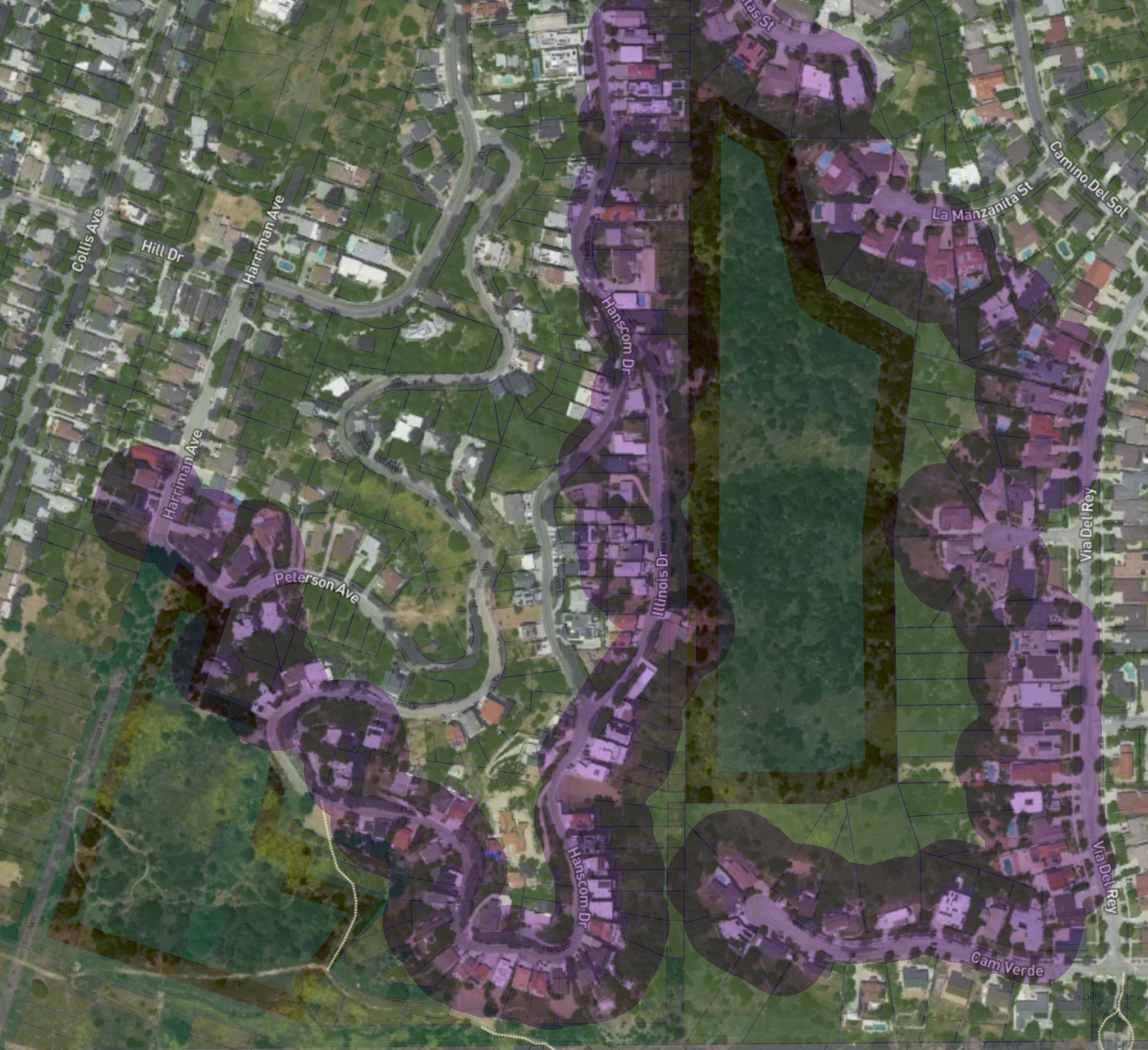
The purple circles are 100' radii from structures. This is the industry standard for defensible space. These clearance radii extend minimally into the open space yet work has only been performed along Illinois Drive in the last half decade.
The yellow borders are Chief Lloyd's proposed firebreaks. While it may not be visually apparent I counted the pixels and these proposed firebreaks comprise 40-50% of the full acreage. I estimate hundreds of native trees, shrubs and sub-shrub specimens inside of this treatment area–many of which were protected before the tree ordinance change in December absolved the City of any requirement to adhere to tree or shrub maintenance or protection standards.
Habitat
This is such an incredibly intact, extensive and sensitive native habitat for native birds and animals that does not compare to adjacent cities. With the loss of habitat in our local mountains from the Eaton Fire and the recent loss of shrub habitat in Pasadena's Arroyo Seco this section of our wildlife corridor is of the UTMOST importance to birds, local and migrating. Bird nests are protected. Other CEQA projects and grazers hire biologists to specifically walk the area before any kind of goats are unleashed during nesting season (which lasts through September).
The space is a raptor haven–eg. owls and hawks. I have seen small bat populations come and go. They eat insects and rodents. They are active pest control for all homes in the vicinity.
Ground squirrels and reptiles that live on the floor require the accumulated leaf drop. This is not a conifer forest. The accumulated ground litter is EXTREMELY minimal–and important not only for habitat but for erosion prevention as well. The insects live in the litter and many bird species' diets consist of primarily insects.
Coyotes have an established population in these spaces. Coyotes are notorious for overproducing offspring when threatened. If the habitat is halved and there are more coyotes in future litters, they will push into surrounding parcels.
There are patches of native milkweed throughout the grazing area that are the host plant for the endangered Monarch Butterfly. There are native bumblebees feeding off our native herbaceous layer and they nest in the leaf litter as well.
I have seen bobcats and deer over the years.
Mayor Pro Tem Ferguson explicitly clarified that the Fire Chief should not be required to consider biology in any capacity–habitat or plant morphology.
Slope Degradation
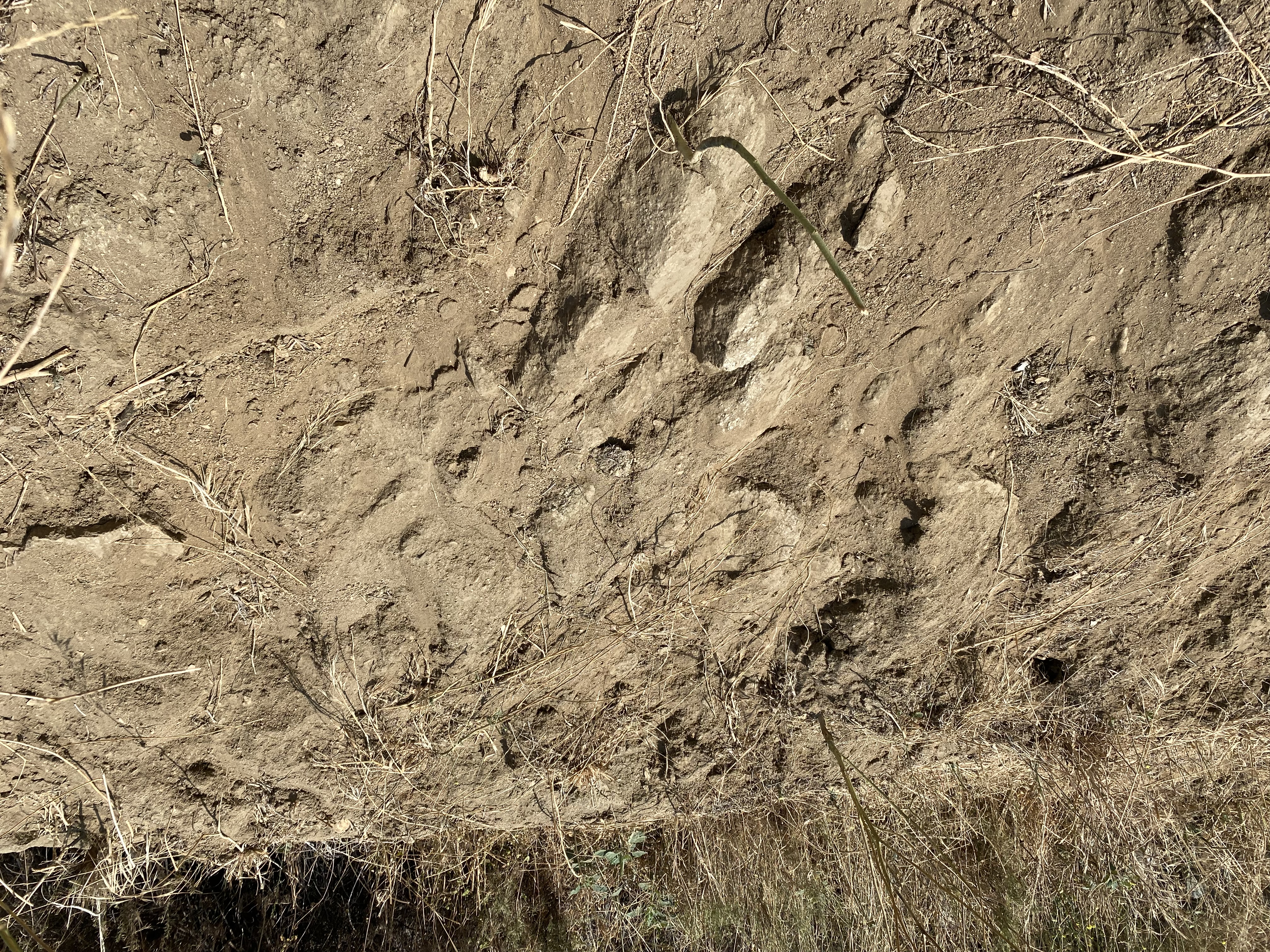
The goats significantly damaged the historic slopes of the Arroyo Seco. Once topsoil has sloughed, it does not migrate back upslope. Once bedrock is exposed the slope can no longer situate slope-stabilizing plants and the problem devolves into runaway degradation.
When a human walks with a weed whacker they can tread lightly and pass one time. 600 goats walking back and forth haphazardly in the heat and in search of food, shade and water makes for an excessive amount of disturbance.
Disturbance increases the likelihood of erosion in the rainy season and we are on track to experience the most significant El Niño of our lives. These hills have experienced mudslides as recent as ~1970. Mudslides were more common before our slopes were planted with native trees and shrubs.
Disturbance encourages invasion of the very non-native annuals that we should be trying to extirpate from the sites.
Examples From Capra's Grazing of Pasadena's Arroyo Seco
Thinning & Wind Speed
A cluster of shrubs and trees slows wind speed. Independent, thinned and lifted specimens receive the full brunt of the oncoming wind. More wind hitting a specimen increases the flame length and thus increases the distance of required defensible space. Wind-borne fires are the most dangerous case to plan for.
Omari's Election Questionnaire
How do you plan to increase public participation and ensure transparency in council actions?
Strengthening the role that commissions play in decision-making would be a great first step in improving engagement. It is hard to grow public participation when members of the community are not able to impact outcomes. In addition to regular council meetings, I would support hosting public forums, town halls, and workshops where residents can engage directly with council members and city staff on specific topics.
Previous Public Comments on Council Items
Goat grazing should not be assumed to reduce fire risk where the hillside is mostly evergreen, naturally structured native shrubs with heavy mustard pressure filling the gaps. Grazing will significantly damage living native vegetation that holds slope, shades soil, and helps resist full conversion to annual weeds. If goats strip native shrubs and disturb soil while mustard is already poised to rebound, the project will replace a patchy, higher-moisture native shrub mosaic with more continuous, flashy fine fuels that dry early, ignite easily, and carry fire quickly.
The fire analysis cannot stop at “goats eat vegetation, so fuel is reduced.” The City must evaluate whether grazing actually improves fire safety in this habitat, or whether it damages mature natives, increases disturbance, accelerates mustard rebound, and worsens long-term fire hazard on steep slopes.
A rational fire and habitat strategy would protect the native edges first. Control mustard in the gaps around living native shrubs, prevent the multi-acre cores from expanding, and then work inward over multiple years. Do not open more ground than can be immediately stabilized, mulched, seeded, and maintained. Broad goat grazing reverses that logic by risking damage to the native structure while failing to solve the mustard seedbank.
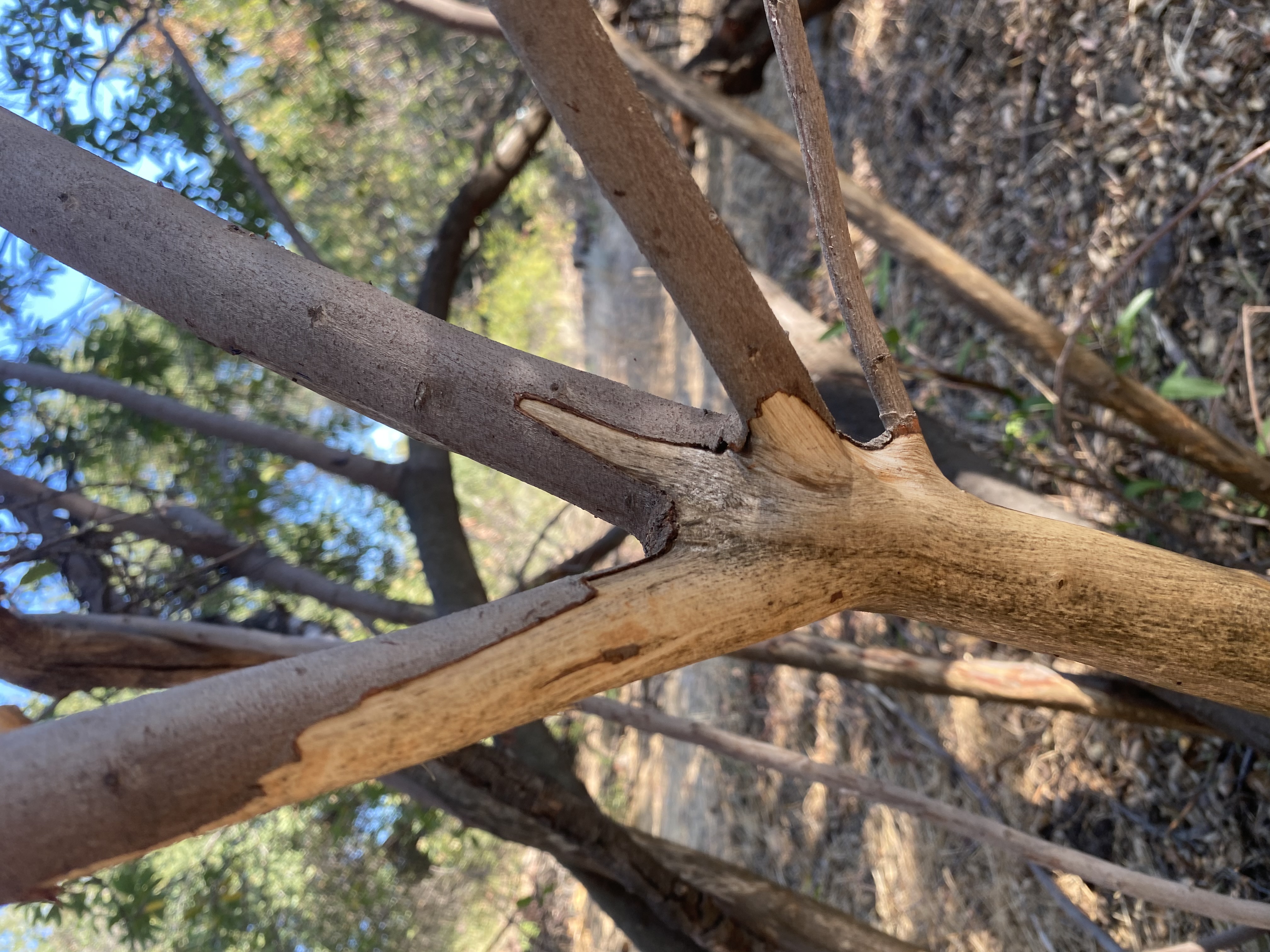
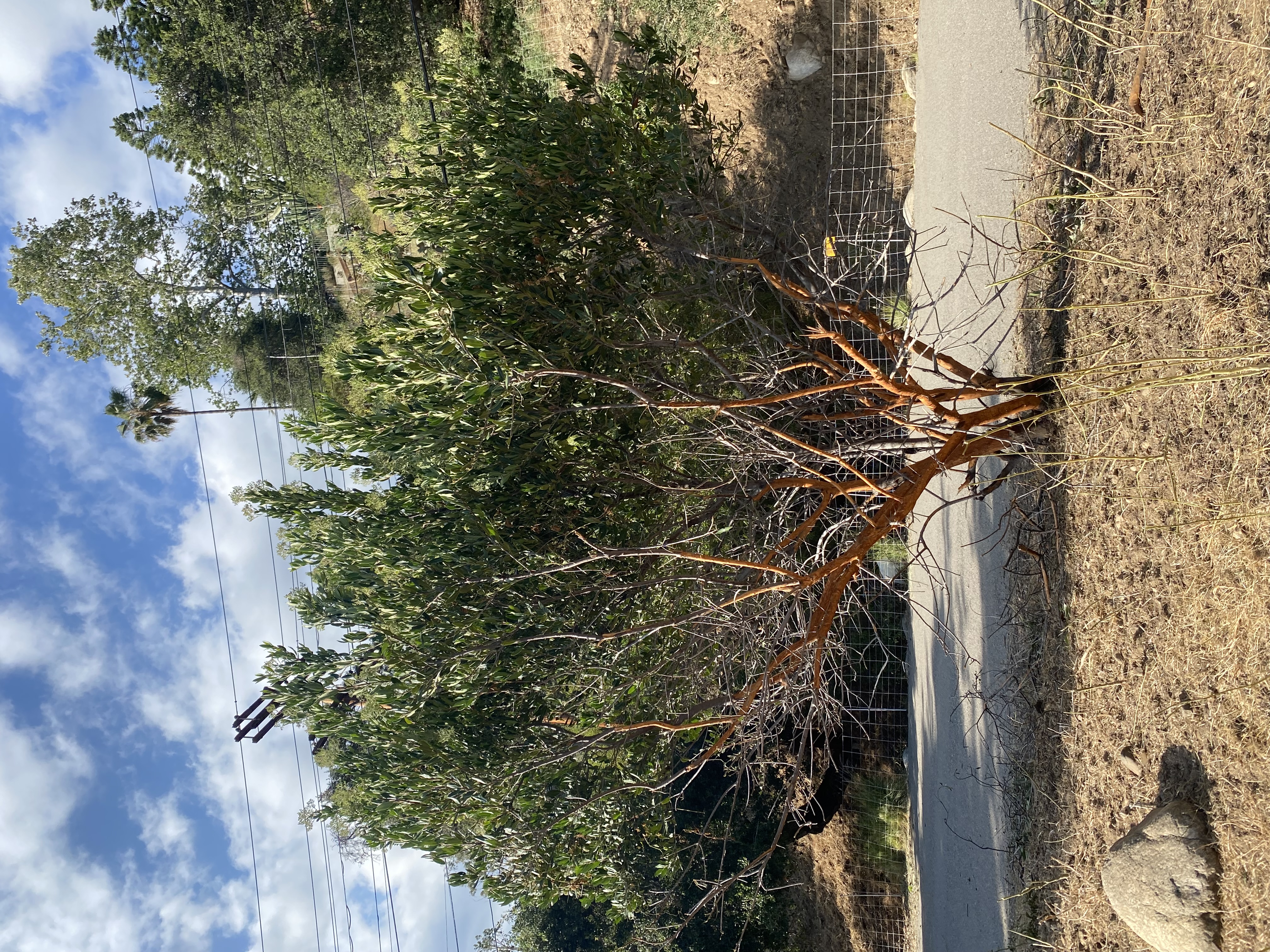
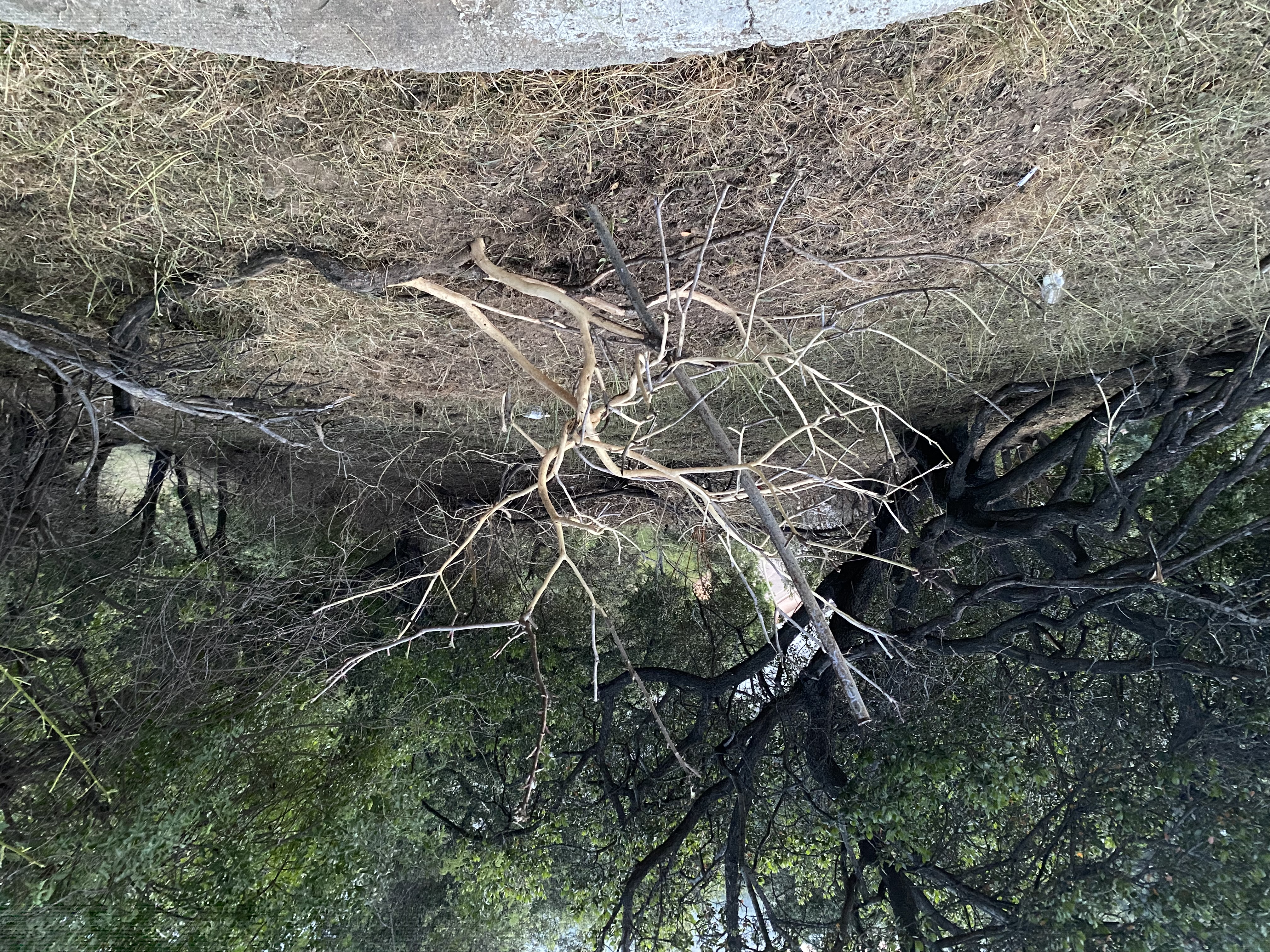
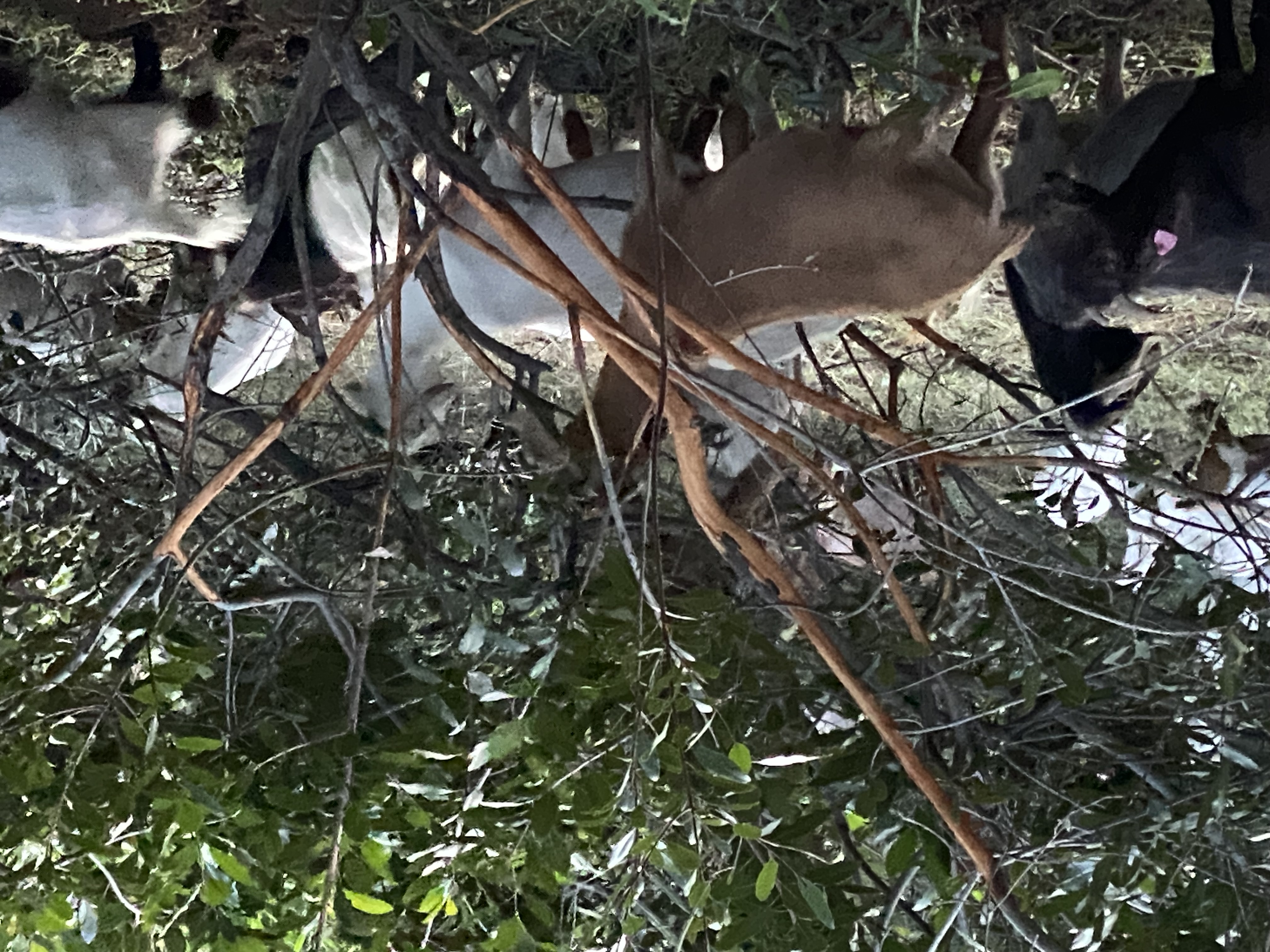
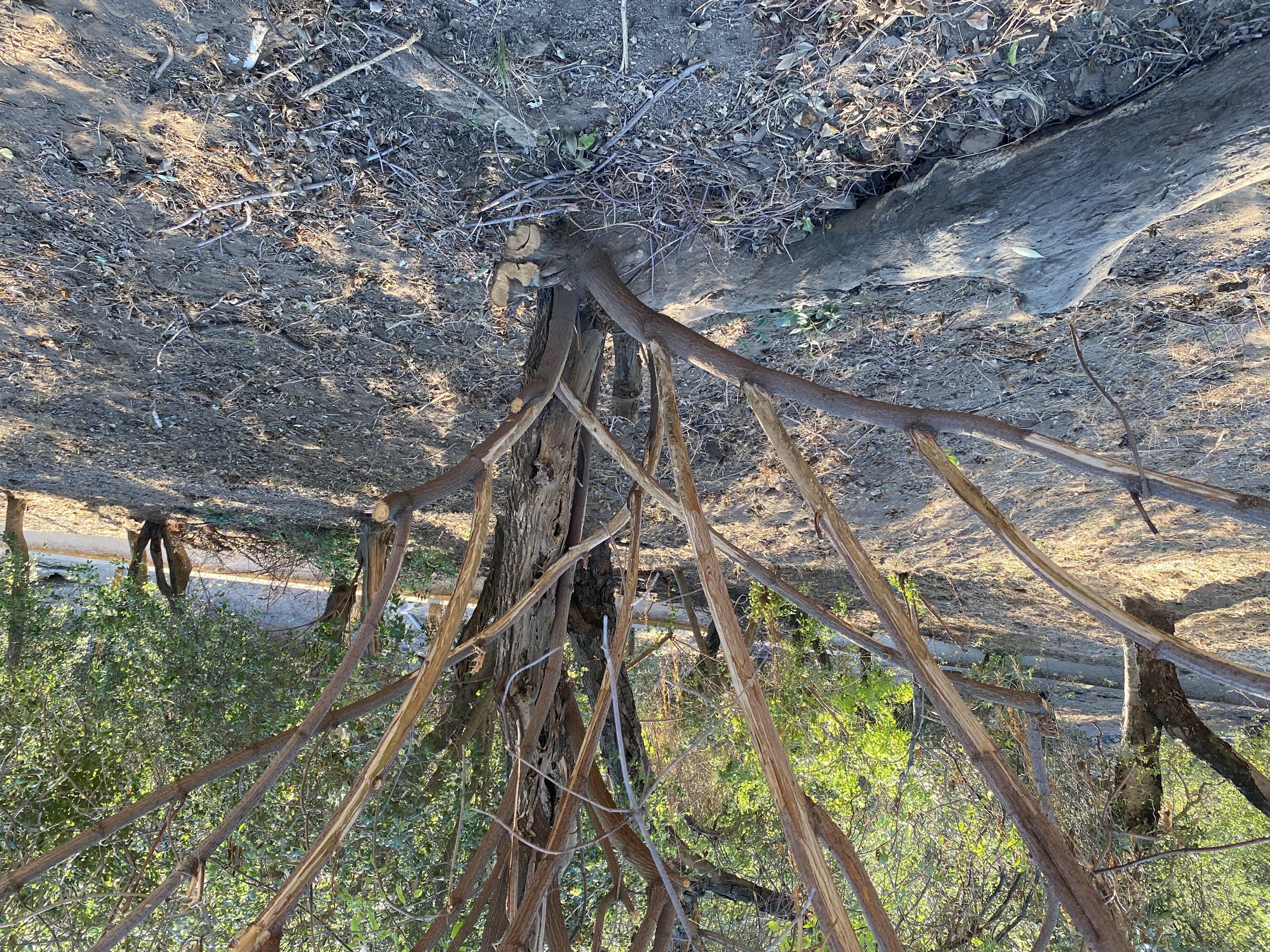
Goats strip bark. This is referred to as girdling. A girdled trunk or branch dies. The sweeping majority of shrubs and small trees inside of Pasadena's grazing acreage has had bark stripped. Easily half of the specimens are fully girdled and will die back to the stump.
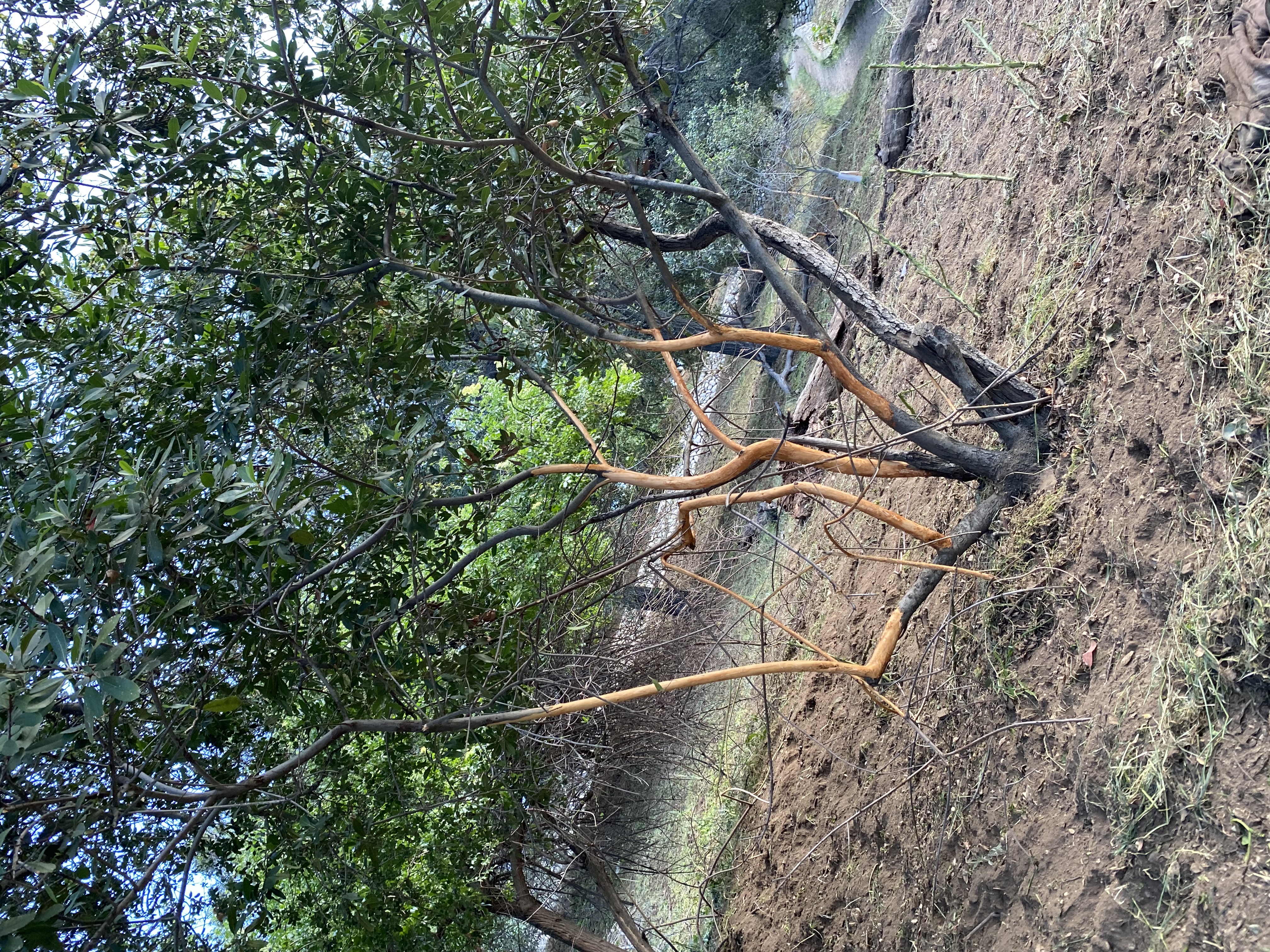
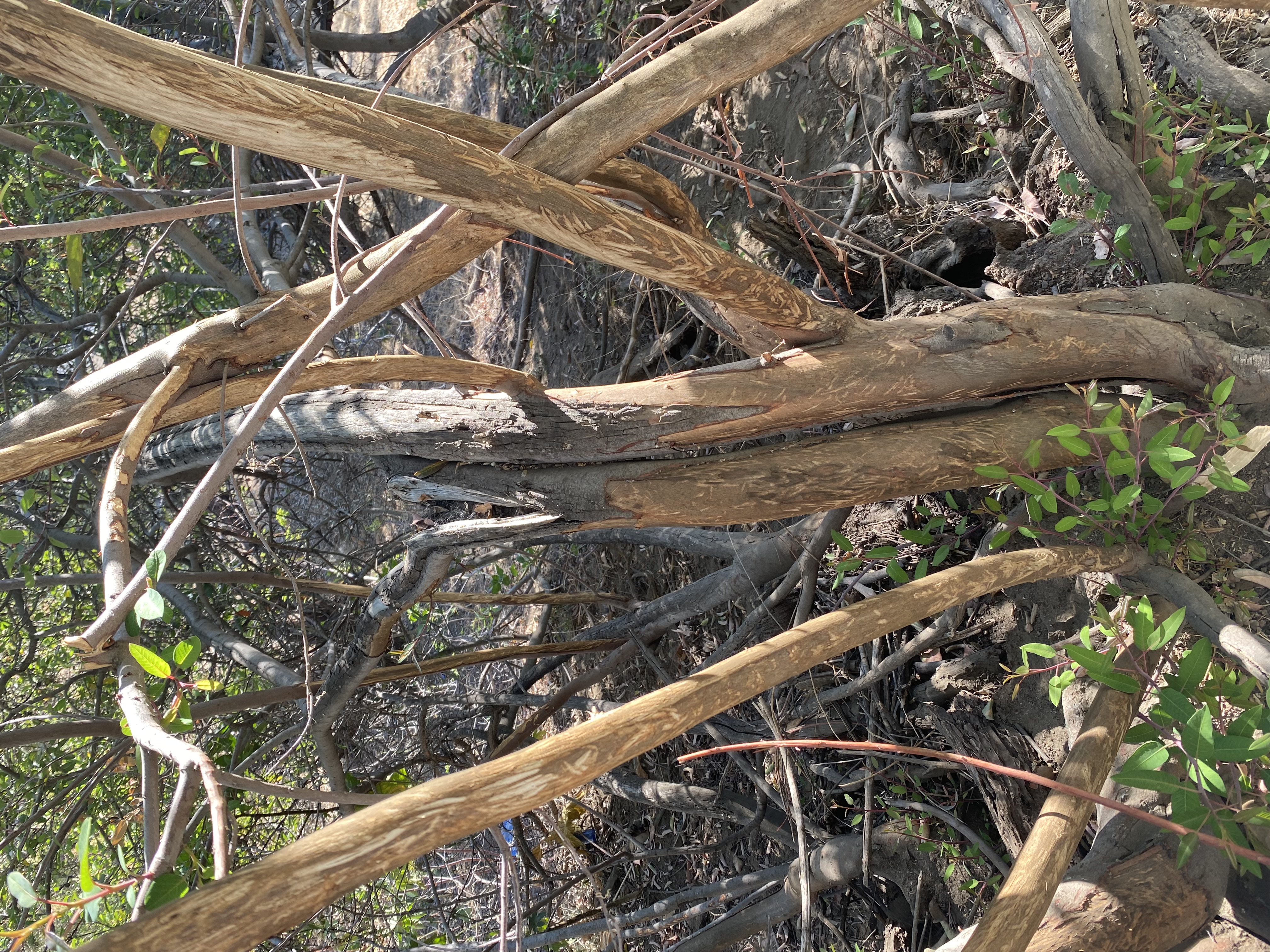
Stop This Action
I have left out so much. I could go on for another twenty pages. Council and the City have dismissed my concerns with a disturbing lack of consideration.
Please do not accept this as merely an unactionable presentation. No other commission has seen this. NREC asked for it to be agendized but their once-every-two-months meeting this week was never set. Our council has made this about politics and it has been quietly planned and decided by people, including a small few well connected neighbors (A.W., M.T., L.M.), who I have spoken to and can confirm do not have a single clue about what they're suggesting and going along with.
For a city full of intelligent professionals that prize their education system this anti-science, anti-intellectual and anti-environmental action is utterly unacceptable. Please speak up and act not only for the actual, not perceived, safety of our Monterey Hills community but also for all of our 25,000 residents and our neighbors ten miles in every direction who stand to benefit from these open spaces and the extensive services they provide. Nature knows no bounds and wildfire mitigation of all of our open spaces are in dire need of informed execution moving forward.
Addendum: An Accounting of Other CEQA Exempted Projects
Our City Attorney has used more exemptions to bypass CEQA for this project than any other project I've been able to find on the record, statewide, for as long as the record keeping goes back. ceqanet.lci.ca.gov
The following projects are exempted from CEQA. Note that none of these projects use goats or place firebreaks on sites anywhere as sensitive as ours. I've researched all of them.
I sent a copy of this list to our City Manager's office and our City Attorney when I requested to confer with the Fire Chief. I received no response. The item came back to council a third time since then and I was completely ignored one final time.
I have lived on Illinois Drive just across the street from Lot 117 for twenty years and I have spoken to previous resident stewards before they've moved or passed away. There is significant history to this land and its habitat.
1. A Best-Faith Accounting of the Complete Record of Goat Grazing Projects
San Clemente
NOTE: Our CEQA notice of exemption reuses language unique to this project so this was clearly used as a template. See ceqanet.lci.ca.gov/Search/serp?q=%22open%2C+less+dense%22
This project involves vegetation management through controlled goat grazing with electronic fencing used to facilitate rotational grazing and prevent overgrazing.
The project site is an undeveloped field situated north of Via Sonrisa, directly across from residential homes, and south of the San Clemente Aquatics Center and an adjacent soccer hub.
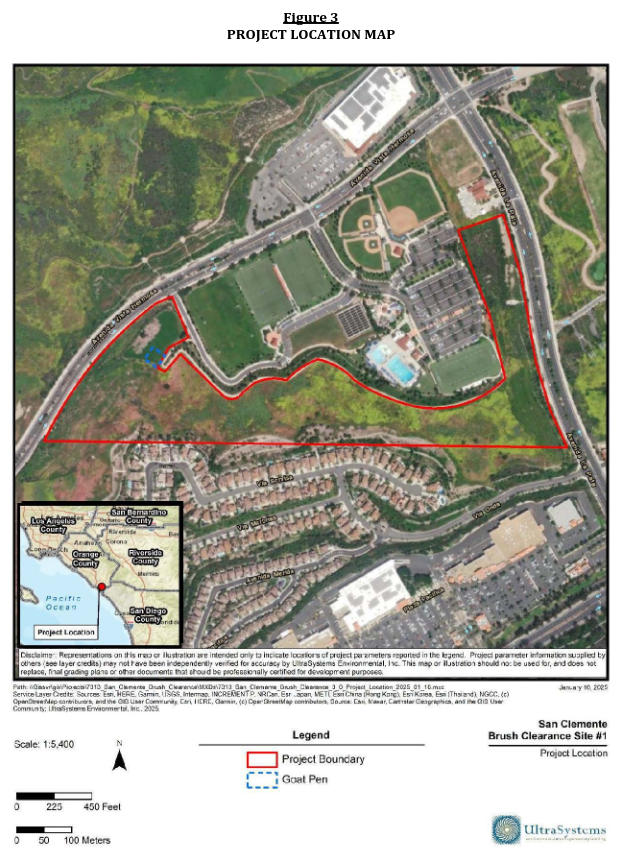
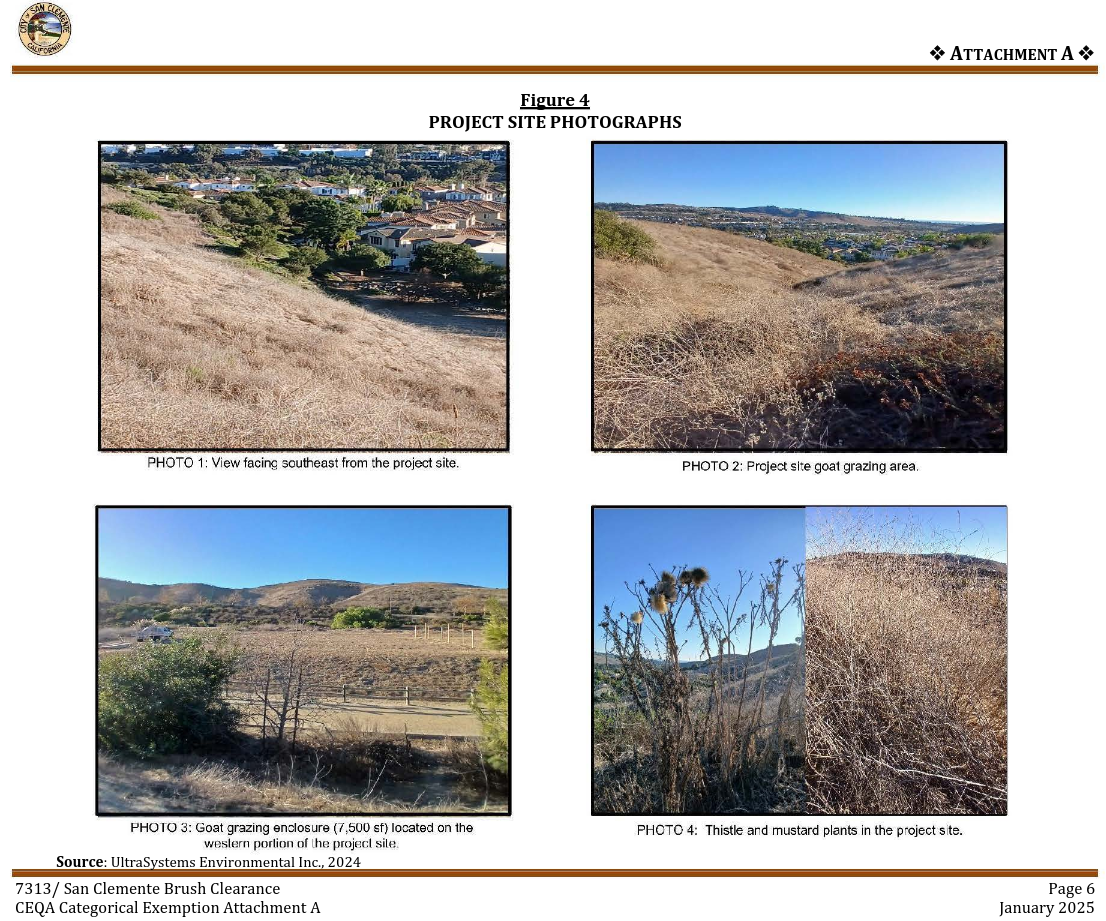
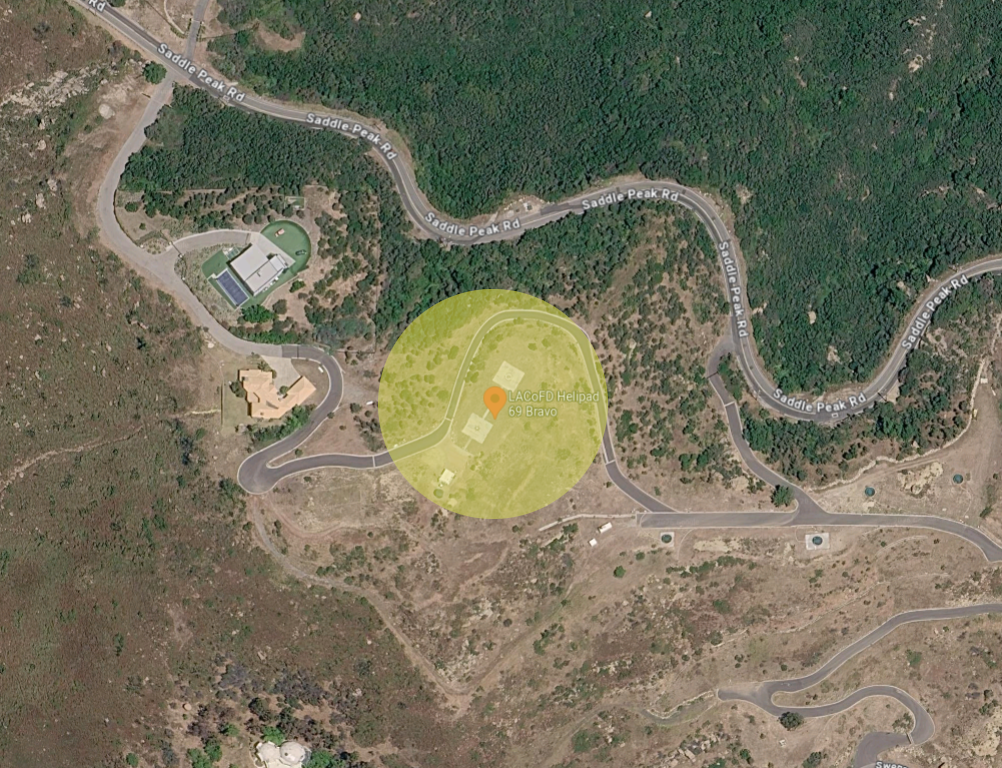
69B Community Risk Reduction
The Los Angeles County Fire Department is planning to conduct a fuel reduction project at Helispot 69B. The project will involve using goats and sheep for prescribed grazing to manage the fuel load. The goal of the project is to enhance the safety of the surrounding areas and demonstrate the effectiveness of using sustainable, eco-friendly goats and sheep to reduce community risk.
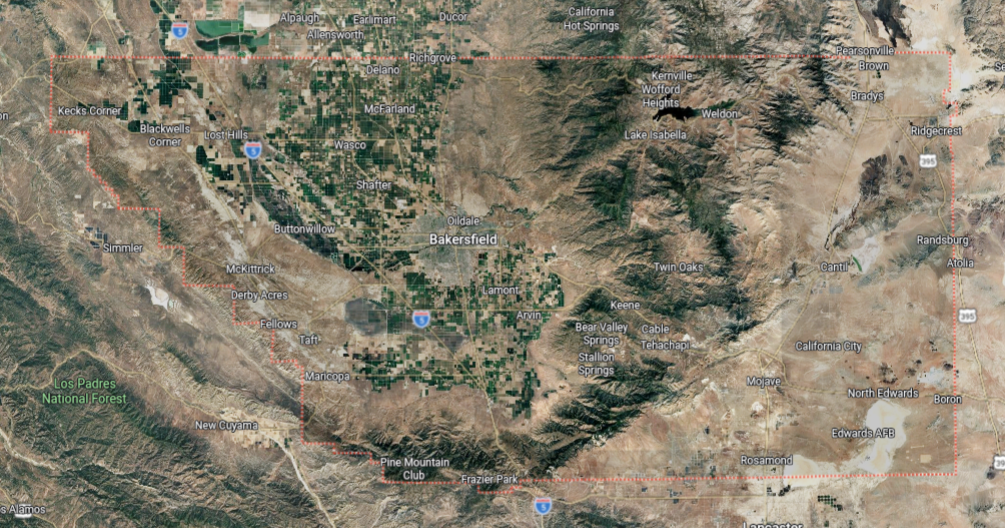
Kern County Prescribed Grazing Project
This project aims to address the risks associated with accumulated hazardous fuels and noxious weeds within classified fire hazard severity zones in Kern County. This initiative aims to strategically reduce fuel loads in all areas classified under fire hazard severity zones, thereby enhancing public safety, protecting property, and promoting ecological resilience. The project will cover all classified fire hazard severity zones in Kern County, including urban-wildland interfaces and rural communities. Grazing will be implemented using cattle, sheep, and/or goats, depending on site-specific vegetation types and management goals. Grazing periods and stocking rates will be carefully planned to maximize reduction of fine fuels while minimizing impacts to soil and native plant communities.
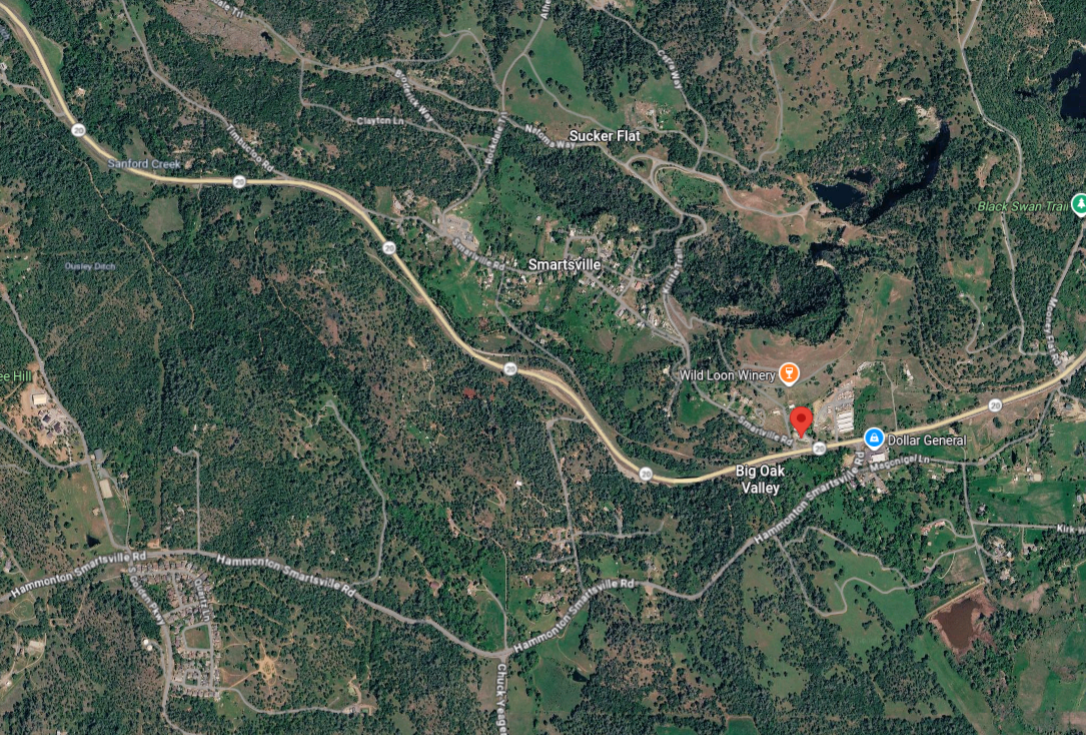
Smartsville Goat Grazing and Temporary Fence Clearing
The project consists of grazing goats and installing temporary livestock fencing. Hand cutting and chipping of brush and trees less than 5” DBH will occur 8’-10’ around parcel perimeter to allow contractor to install temporary livestock fencing. Surface soils will not be disturbed. All vegetation removed will be mulched on site by chipping or grazing. Work is proposed to occur when approved and personnel are available. Unit Environmental Scientist will monitor work through all stages of implementation.
Continuation of Goat Grazing in the State Responsibility Area
As-Needed Grazing and Vegetation Management Services Project
Operations and Maintenance - Clifton Court Forebay Goat Grazing
Baron Ranch Prescribed Grazing for Invasive Species Management
Prescribed Grazing on Gray Pine Ridge
Rumsey Prescribed Grazing
City of Monterey Greenbelt Fuel Reduction Project - Old Capitol Site
The Sea Ranch Meadow Grazing
2. The Complete Record of 200' Firebreaks
Tahoe
Specific activities authorized by the license agreement include the hand thinning of small-diameter trees with chainsaws, removal of ladder and surface fuels with chainsaws and manual equipment, and construction of burn piles...
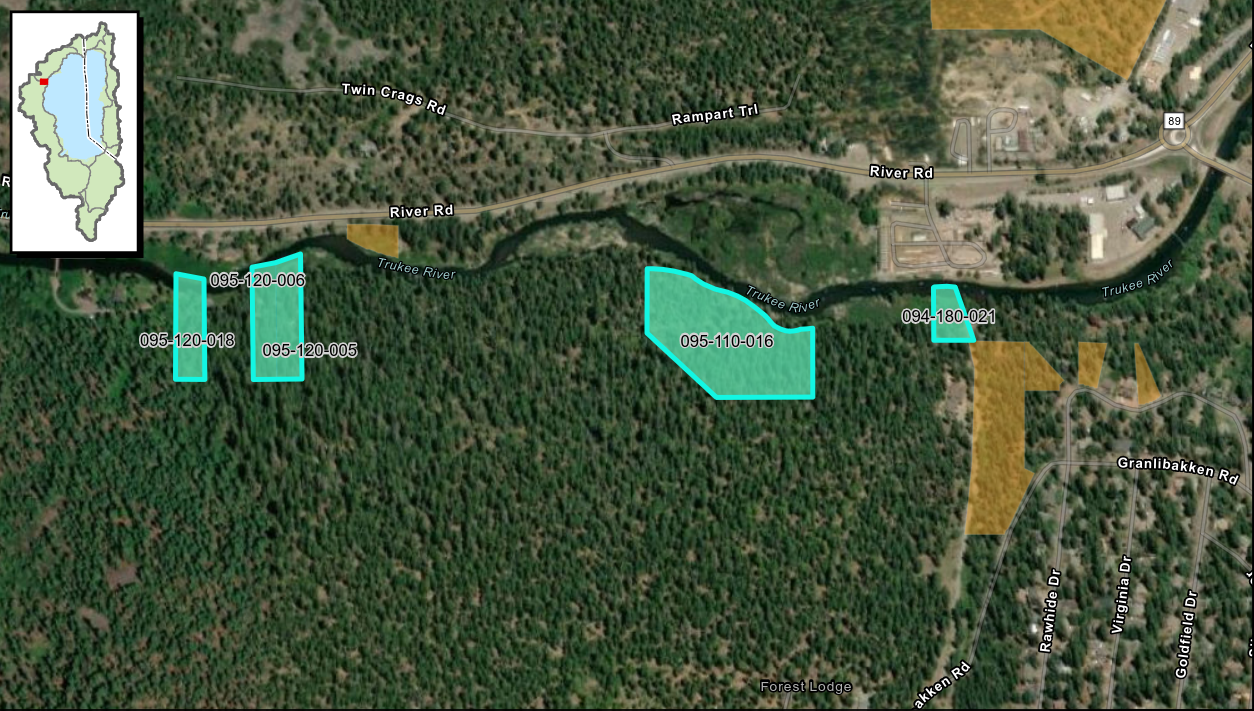
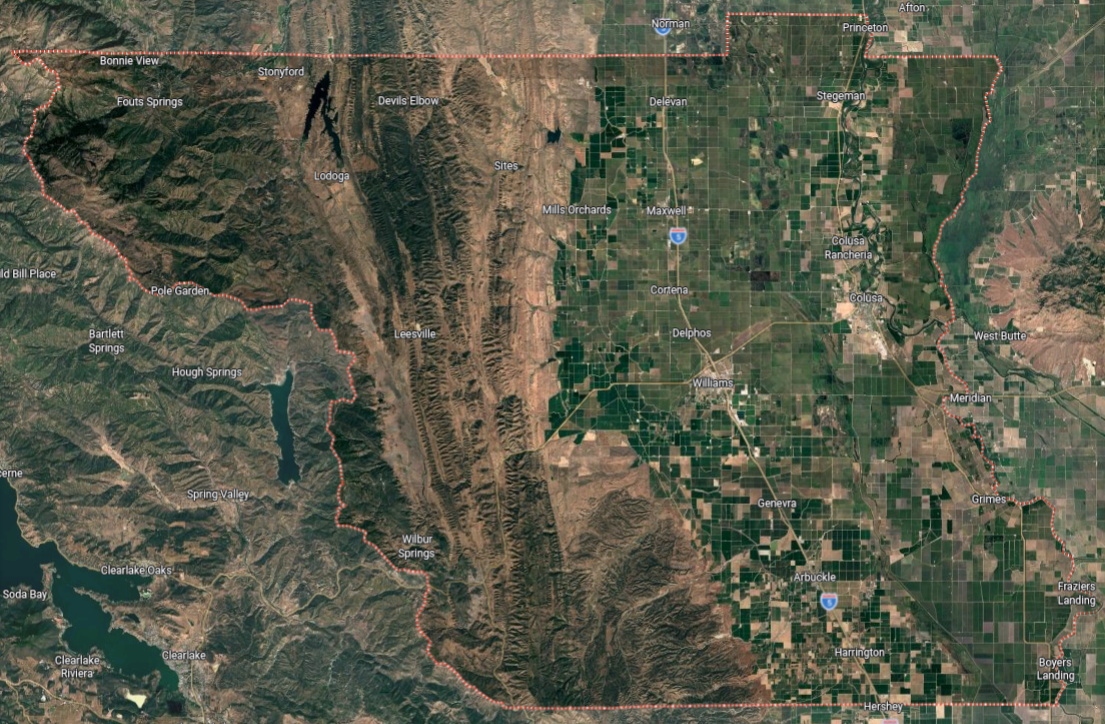
Western Colusa County
The project supports wildfire-resilience efforts in western Colusa County through outreach, defensible-space evaluations and assistance on private lands.
Marin 1
The purpose of the proposed project is to establish and maintain a defensible space zone between critical infrastructure and open space areas...
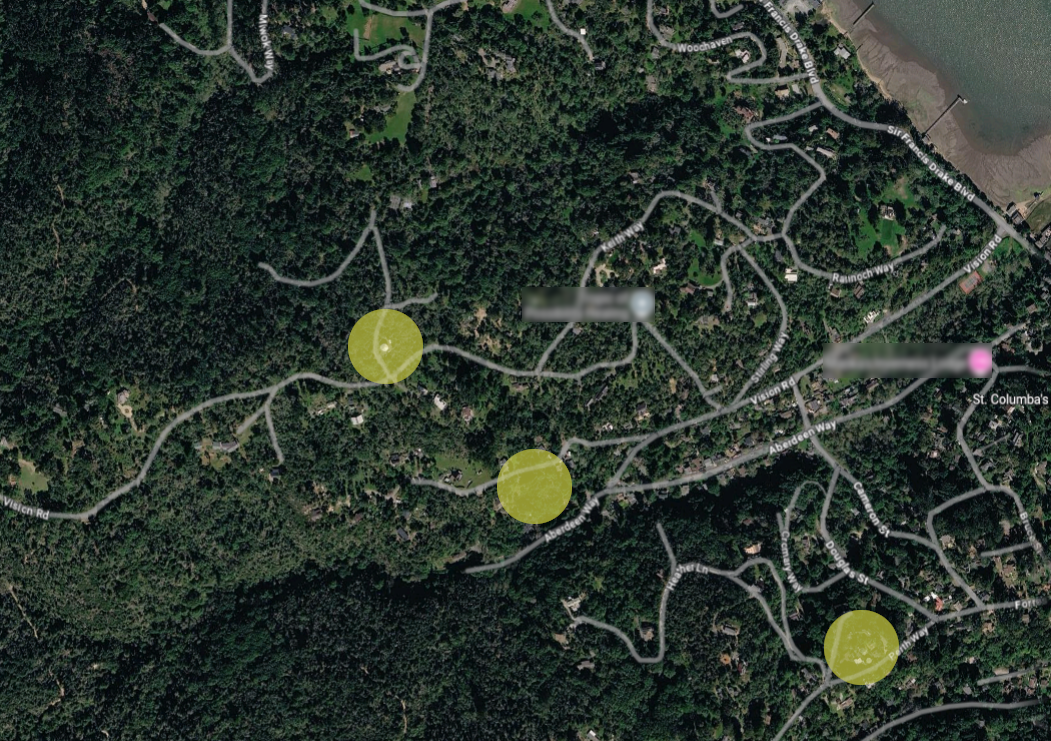
Marin 2
The Pump Station Fire Hardening Project consists of defensible space and vegetation management provements at 59 pump station sites throughout the District's service area.
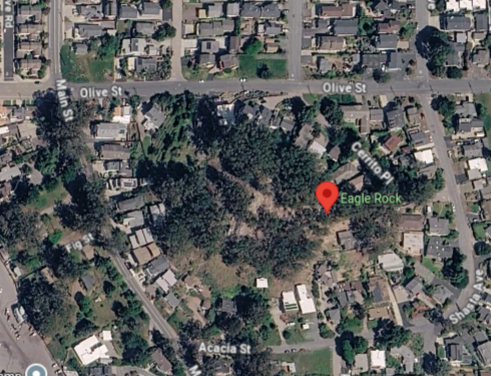
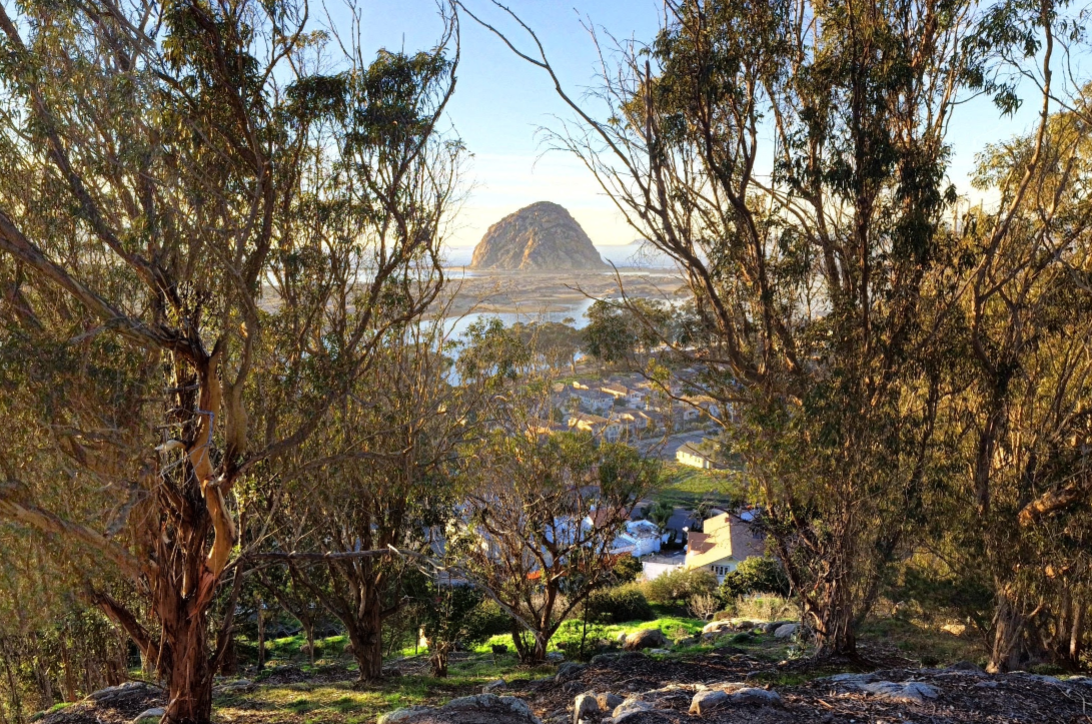
Morro Bay
Fuel reduction activities including but not limited to the raising of canopies to 10’ above ground, trimming vegetation to allow for 10’ of safety clearance to all homes, and removing broken “hanger” branches from tree canopies that are 2” in diameter or larger. No excavation will take place, and all wooden debris will be chipped and scattered onsite. Work has been coordinated with specialists to preserve monarch butterfly overwintering habitat, and a bird and mammal survey will be performed prior to the commencement of work.
Nevada County
Field review by the Nevada County Resource Conservation District Forester confirmed that fuel clearance in the project area is required ... The project consists of minor treatments to vegetation in the form of hand thinning and chipping. The trees being removed are in a suppressed state and are not considered healthy.
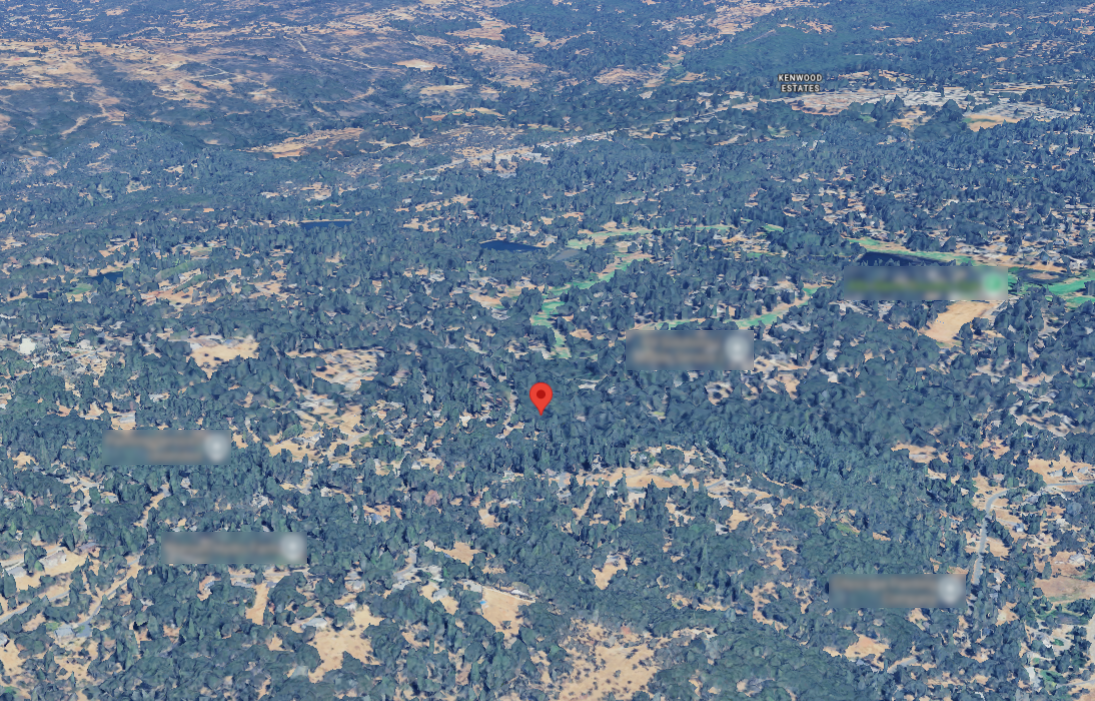
3. Examples of Emergency Exemptions
Our City Attorney has used the emergency exemption, a telling example of CEQA avoidance.
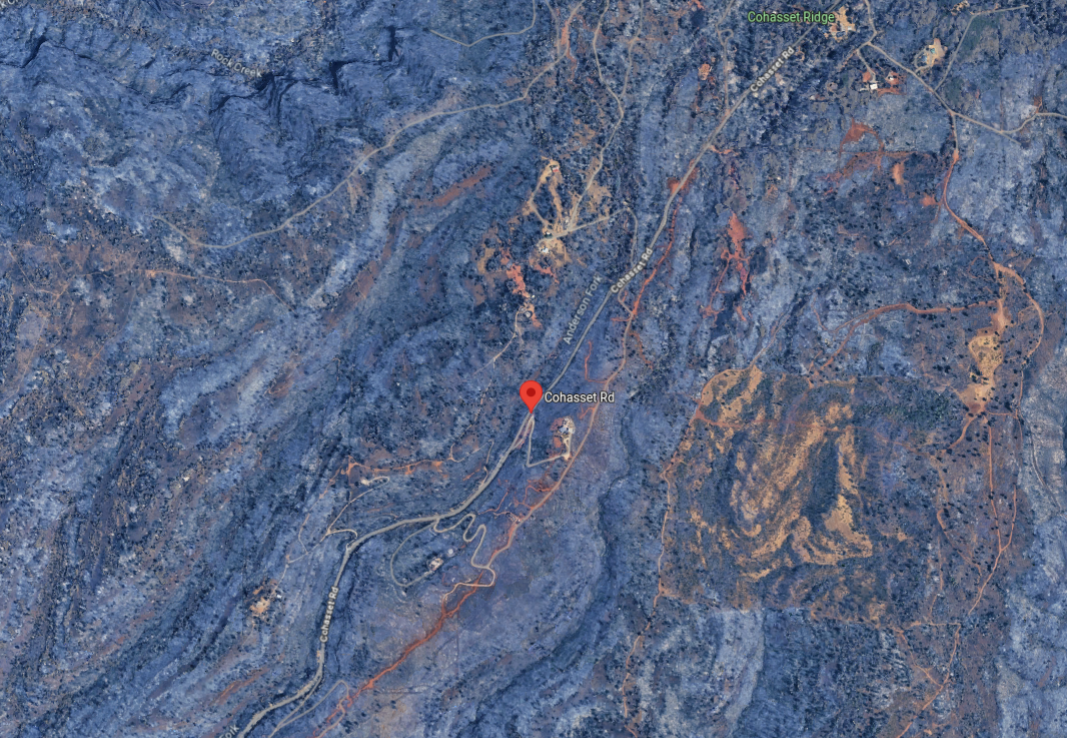
Park Fire No. 4 Cohasset Road Tree Removal
The project involves the removal of 630 trees located within the Cohasset Road right-of-way. The trees being removed have been damaged by fire which presents a hazard to the public and may result in further damage to roadway infrastructure if not removed.
Chowchilla Subbasin Recharge Project 1: Vlot Parcel
To construct a flow diversion structure (Vlot) along and under the left (west) bank levee of the Eastside Bypass for groundwater recharge.
Calero Dam Emergency Road Repair Project
Repair three slipouts and Calero Dam service road to reestablish maintenance and emergency access and protect the integrity of the reservoir banks and adjacent Almaden-Calero Canal.
Emergency Bertha Peak Power Pole Replacement
There is substantial evidence that immediate action is needed to prevent or mitigate the threat to life, health, property and essential public services posed by the damaged power line that provides power to the Bertha Peak Communication site, which constitutes an emergency to mitigate a potential risk of forest fire.